مقدمة
مرحبًا بكم!
إن إنتاج كتاب مطبوع عن الذكاء الاصطناعي في هذه المرحلة يكاد يشبه محاولة إيقاف الزمن؛ ولهذا اخترت منذ مدة أن يكون هذا المحتوى رقميًا، بحيث يمكن تحديثه بسرعة تقارب سرعة الأخبار والاكتشافات في هذا المجال.
هذا المادة لا تهدف إلى تقديم طرح شامل يستنفد الموضوع، بل إلى أن تكون دليلًا عمليًا مرجعيًا يمكنك أن تستخرج منه معلومة محددة أو تنسخ منه prompt وتكيّفه مع حاجتك.
إذا كانت لديك أي أسئلة، فلا تتردد في التواصل. ستجد في قسم «التواصل»، في نهاية هذا الكتاب الإلكتروني، أكثر من قناة متاحة لذلك.
وأخيرًا، صُمّم هذا الكتاب أساسًا للشاشات الكبيرة مثل الحاسوب والأجهزة اللوحية، لكنه يظل قابلًا للاستخدام على الشاشات الأصغر أيضًا.
Basic mechanics das ferramentas de IA
مع إبقاء التعريفات النظرية عند الحد الأدنى الضروري: فهم كيفية عمل أدوات الذكاء الاصطناعي أساسي لاستخراج أفضل ما فيها. ولهذا فقط يستحق الأمر أن نفهم أساسيات هذه الأدوات، ولن يكون ذلك معقدًا. وكما سمعت على الأرجح، يعمل ChatGPT والأدوات المشابهة له إلى حد بعيد كمحرّك ضخم للتنبؤ بالنص. نحن معتادون جزئيًا على هذا النوع من الموارد في بعض التطبيقات اليومية. على الهاتف مثلًا، عندما نرد على رسائل البريد الإلكتروني، بالكاد نبدأ الجملة حتى تظهر لنا متابعة مقترحة للنص (الشكل 01).
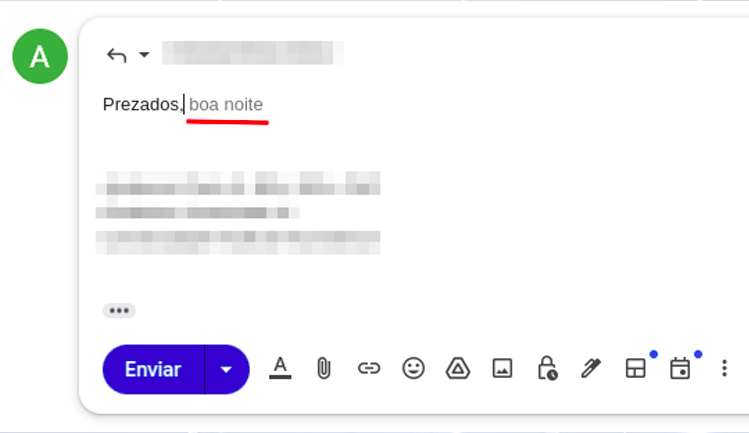
يحدث هذا الإكمال التلقائي بسبب «السياق» واحتمال ظهور الكلمات في التسلسل. إذا طلبت منك إكمال الجملة «السماء هي [___]»، فما الكلمة التي ستخطر في ذهنك؟ احتمال أن تفكر في «زرقاء» أو «واسعة» أعلى بكثير من احتمال أن تفكر في «قرمزية». الجمل الثلاث كلها صحيحة تقنيًا، لكنها لا تظهر بالوتيرة نفسها في الاستخدام اليومي.
كيف نطبّق ذلك على أدوات الذكاء الاصطناعي؟ لقد جرى «تدريبها» على تحليل مليارات النصوص والمواد، ولذلك تملك معلومات عن احتمالات تعاقب الكلمات. من الواضح أن الأمر أعقد بكثير من هذا الشرح، لكن هذه الاستعارة تكفي لتساعدنا على استخدام الأدوات بفاعلية أكبر.
في سياق هذا الكتاب، فإن «التدريب» يعني ببساطة عملية عرض مصادر مختلفة من المواد على النماذج، مثل النصوص بلغات متعددة، بحيث تستطيع التعرّف إلى الأنماط ثم تحديد أي كلمة أو أي مقطع نصي ينبغي أن يأتي لاحقًا.
نماذج الذكاء الاصطناعي
عندما تفتح أدوات الذكاء الاصطناعي مثل Gemini أو ChatGPT ستجد غالبًا إمكان اختيار «نماذج» مختلفة. يمكنك فهمها بوصفها «إصدارات» مختلفة من الذكاء الاصطناعي، على نحو يشبه اختلاف تجهيزات الدراجات أو فئات السيارات. ليست هناك نماذج «صحيحة» وأخرى «خاطئة»، بل نماذج أنسب لكل مهمة، مع قدرات مختلفة وأسعار أو حدود استخدام مختلفة أيضًا.
وهنا تظهر فئتان مهمتان: ما يسمى بنماذج التفكير، والنماذج «العادية». من الناحية النظرية، تكون نماذج التفكير أنسب للمهام المعقدة التي تتطلب موازنة عوامل متعددة. فهي أقوى من حيث المعالجة، لكنها أبطأ أيضًا في إنتاج الإجابات.
عمليًا، لا تشغل بالك كثيرًا بهذا الأمر: في عام 2026 أصبحت نسبة كبيرة من النماذج نماذج تفكير، أو أنك لا تختارها مباشرة أصلًا. الفكرة الأفضل هي أن تجرّب بلا خوف المنتجات والنماذج المتاحة وتلاحظ أيها يقدم أفضل نتيجة لكل مهمة.
الأدوات الرئيسية
سؤال متكرر أتلقاه هو: «ما أفضل أداة؟». والإجابة الأدق دائمًا هي: «هذا يعتمد». ما الأفضل: مطرقة أم مفك أم كماشة؟ يعتمد ذلك على ما تريد إنجازه.
والأمر نفسه ينطبق على مساعدين الذكاء الاصطناعي. GPT وGemini وClaude هي الأدوات الأكثر شهرة. GPT يوفّر أفضل تجربة Deep Research المتاحة حاليًا. Gemini يمتاز بتكامله مع منظومة Google وقد تحسن كثيرًا منذ انطلاقه. أما Claude فيقدّم نتائج قوية جدًا في إنتاج النصوص والمهام المرتبطة بالبرمجة.
إذا كنت تفكر في الاشتراك في أحد هذه المساعدات، فاتبع الخطوات التالية:
- اختبر النسخ المجانية من الخدمات التي تفكر في الاشتراك بها لمدة شهر إلى شهرين على الأقل.
- لا تشترك في ما يسمى «مجمّعات الذكاء الاصطناعي» التي تبيع الوصول إلى عدة نماذج بأسعار منخفضة أو ترويجية. الاحتمال الأكبر أنها لن تلبي احتياجاتك جيدًا، ومع وجود خطط ميسورة من Gemini وChatGPT لا تبدو الوساطة خيارًا جيدًا.
- يمكنك استخدام نماذج Google مجانًا عبر https://ai.dev.
فيما يلي بعض أبرز أدوات الذكاء الاصطناعي المتاحة، المجانية منها والمدفوعة.
استخدام الأدوات: السؤال أو الإدخال أو prompt
لنبدأ بالـ prompt. هذا مفهوم أساسي: فـ prompt هو الاسم الذي نطلقه على التعليمات التي نعطيها لأدوات الذكاء الاصطناعي.
الجوانب الأساسية في الـ prompt
لنشرح الـ prompt بطريقة مباشرة جدًا: تخيّل أنك تتناول وجبة خفيفة ويطلب منك صديق «ناولني الكمّ». هناك سياق ضمني هنا: أنه يظن أنك تأكل المانجو. إذا لم تكن تأكل مانجو بل فواكه أخرى، فقد التبس عليه الأمر وتوقع أن ثمرة أخرى هي المانجو، وبالتالي لن تعمل الجملة كما توقّع. الآن فكّر في معنى آخر للكلمة نفسها: تخيّل أنك خيّاط ويطلب منك شخص «ناولني الكمّ». المعنى تغيّر بالكامل، أليس كذلك؟ والآن تخيّل أنك خيّاط، تتناول فاكهة، ويطلب منك أحدهم «ناولني الكمّ». أيّ معنى يُقصد هنا؟
السياق مهم. وفي الـ prompt يصبح بالغ الأهمية.الـ prompts الفعالة هي prompts محددة.
والـ prompts الأكثر فاعلية تكون محددة وتقدّم سياقًا.
وهذا يقودنا إلى فكرة مهمة أخرى: من الأجدى أن نفكر في prompts «فعالة» و«غير فعالة» بدل التفكير فيها بوصفها «صحيحة» أو «خاطئة». ما يجعل الـ prompt أكثر فاعلية هو قدرتنا العملية على مواءمة ما نكتبه مع المهمة التي نريد تنفيذها. في النهاية، الأمر نوع من أنواع التواصل الدقيق الذي نمارسه في حياتنا اليومية.
أمثلة على prompts:
1) Prompt مباشر
"Translate the song lyrics below into Brazilian Portuguese" => this is a direct prompt: valid, simple, and sometimes very useful, depending on what you need.
Command: translate, transcribe, analyze, revise, produce, organize (...)
Object: the song lyrics, the text, the document, the PDF, the file, the image (...)
Output parameter: into Portuguese, for a conference, for a presentation (...)
2) Prompt مع سياق
Here we add context to the prompt (“it will be submitted as a conference abstract (...)”). Why does that matter? Because preparing a text for a professional congress is very different from writing something for social media, for example.
"The text below will be submitted as an abstract for a conference paper in [psychology/engineering/law/medicine]. Review its grammar, coherence and cohesion, suggesting changes whenever needed."3) Prompt للاستخدام اليومي
Here is another example: AI can also help with everyday matters. A friend of mine uses it for cooking, from recipes to choosing the best fruit at the market. Explore that versatility with the prompt below. And if you still do not know what an RCD is, adapt the prompt and learn the basics first. Just do not expect to know more than the electrician: AI still makes mistakes. The goal is to gain enough orientation to hold an informed conversation.
"An electrician came to my home and said I need to install a residual-current device (RCD). Explain what it is and what its function is."4) Prompt مع persona
In this prompt, besides command, object, output parameter and context, we also define a persona for the AI. This is an especially useful prompt pattern for learning workflows, and for good reason it is one of the most widely used formats.
"You will act as an expert radiology instructor. I have 20 days to learn the fundamentals of ultrasonography and you will be my teacher: build a detailed learning schedule for those 20 days, covering the key ultrasound concepts that an excellent introductory module should include."5) Prompt مركب
Below we combine several of the prompt strategies listed above.
"You will act as an English teacher specialized in teaching English as a foreign language. I have 20 minutes per day and you will be my instructor: build a detailed learning plan with basic, intermediate and advanced English content so that a foreign learner can communicate adequately.

We can begin immediately, and your first task is to assess my current English level. Ask the necessary questions to evaluate my skills."
Notice that in the example above the prompt structure instructs the AI model to begin by asking questions to assess our English level. This technique is often called reverse prompting and can be extremely useful for evaluating knowledge, performance, or even for making us reflect before the answer is produced. Here is another example:
You are a senior career coach with 20 years of experience in professional transitions, specialized in helping professionals in IT, engineering and creative fields change careers with clarity and confidence. Your style is empathetic, direct and evidence-based, inspired by methods such as Ikigai and GROW.

**Context**: The user is considering a professional transition, such as changing jobs, sectors or even starting a business, but needs to reflect deeply in order to avoid regret. We are in an iterative conversation to map the best path.

**Objective**: Help the user reflect on their current moment, identify real motivations, strengths and obstacles, and build a personalized transition plan in clear, actionable steps.

**Tasks (reverse prompting)**: DO NOT give advice or plans yet. Instead, ask 5 to 7 essential open-ended questions to collect key information. Group them into categories (for example: "Current situation", "Motivations and values", "Skills and network"). After the user responds, use the answers to produce an initial reflection report and draft plan.

**Initial questions to ask NOW**:
1. What is your current profession, how long have you worked in it, and what do you most like and dislike about it?
2. Why do you want to make a transition now? Describe the emotional or practical triggers.
3. What are your core skills (technical and soft skills) and which achievements are you most proud of?
4. What would success in the new career look like for you (for example: salary, flexibility, impact)?
5. What real obstacles do you anticipate (finances, family, market conditions)?
6. Describe your professional network and who might help you in this transition.
7. On a scale from 1 to 10, how ready do you feel to change within the next 6 to 12 months?

Analyze the answers and confirm understanding before proceeding.
نافذة السياق
You may already have noticed that in very long conversations the AI sometimes becomes confused and starts returning relatively random material, as if it had forgotten what was said at the beginning of the exchange. That happens because of the context window. The easiest way to understand it is to imagine it as the AI’s short-term memory. In practice, it is the maximum amount of information (text, files, images) that the model can process at the same time in a single interaction. This window is measured in thousands or millions of tokens. Roughly speaking, tokens are the basic processing units used by AI systems. During prompt processing, words are split into smaller parts (tokenization), so a long word may correspond to multiple tokens while a short word may correspond to one, depending on the language. For practical purposes, although technically imprecise, you can think of words as a rough proxy for tokens.
When that window becomes “full,” the AI has more trouble retrieving earlier information, which can cause it to forget important instructions, especially the ones that were placed in the middle of the conversation. In general, models tend to handle the beginning and the end of a conversation better than the middle, which means key instructions can be lost if they are buried halfway through a long exchange.
Context-window sizes vary considerably from one AI tool to another. Gemini, for example, offers one of the largest currently available windows, reaching 1 million tokens. Claude recently released Opus 4.6 with the same capacity, while ChatGPT 5.2 works with a 400,000-token context window.
Practical tip: To reduce hallucinations in long projects with conventional AIs (such as GPT and Claude), do not keep the same chat open forever. When the topic changes or the conversation becomes too long, ask for a summary and start a new chat. That effectively resets the context window and keeps the model sharper.
Use the prompt below to generate that migration summary:
[CONTEXT]
We are in a long interaction about [INSERT THE TOPIC, e.g., drafting a protocol].
To avoid losing important details and to clear the context window before a new chat, I need you to condense everything we have done so far.

[TASK]
Generate a detailed "Current State Summary" containing:
1. The main objective we are pursuing.
2. All decisions already made and validated (what is already done).
3. The exact current status of where we stopped.
4. The immediate next steps that were pending.
5. Any stylistic preferences or constraints I already taught you in this conversation.

[FORMAT]
The output must be a structured text, ready to be copied and pasted as the FIRST prompt of a new chat, so that the new AI instance can continue the work exactly where we stopped, without losing context.
بنية الـ prompt "المثالي"
من مناقشة القسم السابق يتضح أن بعض الـ prompts أنسب من غيرها لمهام معينة. ومن هنا يظهر سؤال شائع: هل توجد prompt «مثالية»؟ الجواب: لا توجد صيغة واحدة مثالية، لكن توجد مكوّنات، حين تُنظَّم جيدًا، تعطي نتائج ممتازة في معظم المهام.
عناصر prompt جيدة البناء
1) Persona
2) الهدف
3) السياق
4) المهمة
5) Constraints
6) Output format
لاحظ أن جميع هذه المكونات ليست إلزامية دائمًا. ففي المهام البسيطة قد لا تحتاج إلى persona أو سياق أو قيود إضافية.
مثال 1
Persona:
You will act as a human-resources manager.

Objective:
Create objective criteria for evaluating administrative performance.

Context:
An administrative team composed of assistants and analysts.

Task:
1. Define measurable criteria.
2. Propose an evaluation scale.
3. Suggest an assessment frequency.

Response format:
A table with criteria, description and scoring scale.
مثال 2
Persona:
You will act as a corporate-communications consultant.

Objective:
Draft an internal communication about the implementation of a new administrative system.

Context:
Employees with different levels of familiarity with technology.

Task:
1. Explain the reason for the change.
2. Highlight operational benefits.
3. Inform the next steps.

Constraints:
Use simple, accessible language.
Avoid jargon and unnecessary technical terms.

Response format:
An institutional announcement in continuous prose.
مثال 3
Persona:
You will act as the internal compliance lead.

Objective:
Assess administrative risks in a supplier-contracting process.

Context:
Recurring procurement of outsourced services.

Task:
1. Identify operational risks.
2. Identify basic legal risks.
3. Propose simple administrative controls.

Response format:
A table followed by a brief conclusion.
بشكل عام، قد تكون الـ prompts أكثر أو أقل طولًا، وقد تتضمن عناصر أكثر أو أقل. في بعض السياقات تكفي prompts مباشرة وبسيطة، وفي سياقات أخرى تحتاج إلى بنية أكثر تفصيلًا.
Basic
You are a text editor. Review the abstract below for grammar, cohesion and coherence. Structure it into paragraphs.Intermediate
You are a scientific editor specialized in medicine with 15 years of experience in international journals.

This abstract will be submitted to JAMA as a structured abstract.

Review the abstract below for:
- Grammar and clarity in scientific English
- IMRAD structure (Introduction, Methods, Results, Discussion)
- A maximum length of 300 words

Expected format: paragraphs with bold subsection headings.
Advanced
[SYSTEM]
You are a senior scientific editor specialized in medicine with 15 years of experience in international journals (JAMA, Lancet, NEJM). Your task is to perform a critical editorial review.

[CONTEXT]
This abstract will be submitted to JAMA. Audience: editors, reviewers and international clinical readers. Expected standard: editorial excellence.

[ACTION]
Review and rewrite the abstract below while preserving scientific integrity and maximizing clarity.

[POSITIVE CONSTRAINTS]
- Structure: IMRAD with bold subsection headings
- Length: maximum 300 words
- Style: formal scientific English, active voice whenever possible
- Citations: use bracketed numbers [1], [2], etc.
- Data: preserve all original numbers and values exactly

[NEGATIVE CONSTRAINTS]
- Do not speculate beyond the presented data
- Do not use nonstandard jargon or undefined abbreviations
- Do not alter the scientific conclusions; only clarify expression

[EXPECTED FORMAT EXAMPLE]
**Introduction.** [2-3 sentences on the problem and the knowledge gap]
**Methods.** [Design, population, intervention]
**Results.** [Main findings with values]
**Discussion.** [Clinical meaning, limitations, next steps]

[VALIDATION]
Before answering, confirm:
✓ Does every claim have a supporting source or citation?
✓ Is the length within 300 words?
✓ Is the IMRAD structure preserved?

If any criterion is not met, state which one before delivering the revision.
Nível Advanced: Checklist de qualidade
لتقييم ما إذا كان الـ prompt «جيدًا بما يكفي»، استخدم قائمة الفحص التالية:
"أجب عن فعالية فيتامين د في كوفيد-19. يجب أن تقدّم إجابات تستند فقط إلى الأدلة العلمية. اذكر مصادرَك صراحة."
رغم أن المعنى واحد، فإن النسخة أ تحقق التزامًا أعلى غالبًا لأن النموذج يقرأ القيد أولًا ويعامله كسياسة موجهة للمهمة.
الحداثة والأولوية
تُظهر النماذج عادةً نمطًا يمنح المعلومات الأولى والأخيرة وزنًا أكبر:
- التعليمات في بداية الـ prompt تؤثر أكثر في "السياسة العامة" للإجابة. فإذا حدّدت النبرة أو persona أو القيود الجوهرية في البداية، تعامل معها الأداة بوصفها مبادئ موجِّهة (أثر الأولية).
- التعليمات في نهاية الـ prompt تؤثر أكثر في الفعل المباشر. فإذا كانت آخر عبارة هي "أجب في 100 كلمة"، فغالبًا ستُعطى هذه القاعدة أولوية في المخرج الحالي حتى لو وُجدت إشارات سابقة متعارضة (أثر الحداثة).
هذا يقود إلى مشكلة مهمة: التعليمات الموجودة في منتصف الـ prompt تضيع كثيرًا، خصوصًا في prompts الطويلة. وهي أقل المواضع التزامًا.
مثال:
قيود المصادر (PubMed فقط، آخر 5 سنوات) يكون الالتزام بها أضعف إذا وضعتها في منتصف الـ prompt بدلًا من وضعها مباشرة بعد persona. هذا التغيير الصغير قد يصنع فرقًا واضحًا في الجودة.
مثال:
البداية: "يجب أن تقتبس فقط من المصادر الأولية."
النهاية: "قبل الإنهاء، أكّد أن جميع الادعاءات تحمل استشهادًا من مصدر أولي."
ℹ️
تذكير: بنية أخرى لـ prompt قوي
(1) Persona — في البداية، تُعرّف "من أنت"
(2) القيود الأساسية — مباشرة بعد الـ persona
(3) السياق/المشكلة — في الوسط
(4) الصيغة المتوقعة — قرب النهاية
(5) الفعل المحدد — في النهاية، كتفعيل أخير
(6) ملخص/تكرار ما هو حاسم
تقسيم الـ prompt إلى كتل
في بعض الحالات ستحتاج حتمًا إلى prompt طويل. من أفضل طرق تشغيله بكفاءة أن تقسّمه إلى كتل أو مراحل، وتستخدم صيغًا واضحة مثل markup أو JSON.
بدلاً من prompt من 2000 كلمة مع تعليمات كثيرة مبعثرة، أنشئ ما يلي:
الكتلة 1: [الشخصية + القيود الأساسية]
الكتلة 2: [السياق + المشكلة]
الكتلة 3: [الإجراء + الصيغة المتوقعة + التحقق]
اللمسة الأخيرة
هناك تقنيات أكثر تقدمًا لفحص المخرجات (وستجدها في قسم لاحق من هذا الكتاب)، لكن هناك أمر بسيط يمكنك إضافته إلى نهاية أي prompt factual: "راجع المخرج قبل نسخه، وإذا وجدت عدم توافق مع المطلوب فأعد التنفيذ. استمر حتى تختفي التعارضات أو اللااتساقات."
مثال: "[ضع prompt النظام هنا] لتأكيد أنك قرأت هذه التعليمات، ابدأ إجابتك بعبارة: 'فهمت أن عليّ [تلخيص موجز للتعليمات الحرجة].' ثم واصل الإجابة."
📐 الترتيب الموصى به لـ prompts المهنية
البداية (الأولوية): Persona + القيود الأساسية/المطلقة
السياق: السياق، الغرض، الجمهور
الإجراء: ما الذي يجب فعله (أمر محدد)
التفاصيل: الصيغة، الأمثلة، القيود السلبية
النهاية (الحداثة): التحقق والتعليمات النهائية (وفي الـ prompts الطويلة قد يكون تلخيص الطلبات مفيدًا)
GPT: التخصيص العام وProjects وGPTs
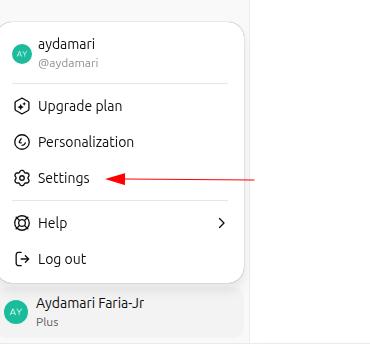
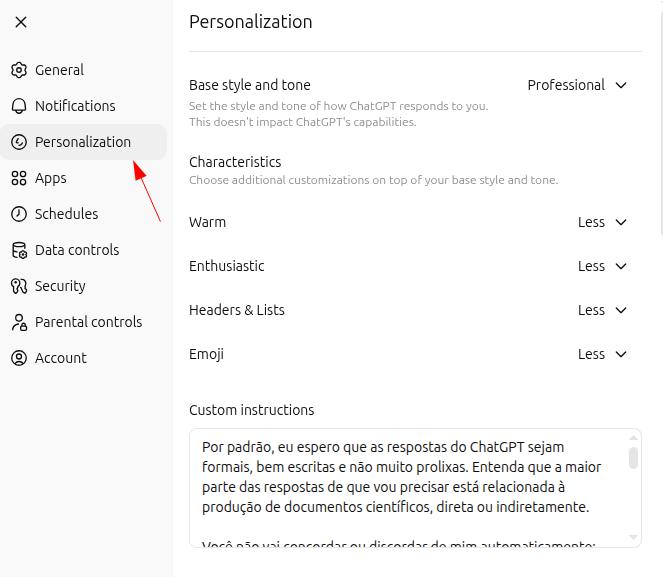
يمكنك تخصيص GPT بما يتوافق مع استخدامك اليومي وجعله أكثر ملاءمة لاحتياجاتك. افتح إعدادات ChatGPT وانتقل إلى "التخصيص":
الـ prompt "الرئيسي" العام
By default, I expect responses to be formal, concise, and well structured. Most of my requests are directly or indirectly related to producing scientific documents.

Do not agree or disagree with me automatically. Analyze my prompts and answer as objectively as possible.

To ensure these guidelines are actually followed, I will always begin my interactions with "let's work" or "vamos trabalhar" and I expect to be addressed as ["[YOUR NAME]"]. In these situations, responses must remain absolutely neutral: do not try to agree with or oppose my doubts, thoughts, or opinions. Critically analyze the text provided and deliver the most appropriate answer, rigorously avoiding errors, inaccuracies, and hallucinations.
Projects: مساحات عمل مخصصة
تعرّف OpenAI Projects نفسها بوصفها "مساحات عمل" متخصصة. تخيّل أنك تمارس أكثر من دور داخل الشركة نفسها أو عبر شركات مختلفة: يمكنك إنشاء Project مستقل لكل سياق، مع تعليمات وملفات مرجعية مخصصة له.
كل Project يسمح بوجود prompt رئيسي مرتبط بتلك المهمة، إضافةً إلى ملفات مرجعية. وعندما يجتمع prompt دقيق مع وثائق مهمة، يتحول المشروع إلى مساعد مخصص فعلاً وذي فائدة كبيرة. وللتوضيح: Gemini يسمي هذه المساحات "Gems"، بينما Claude يسميها "Projects". أغلب أدوات الذكاء الاصطناعي الحديثة تملك شكلاً قريبًا من هذا النوع من التخصيص.
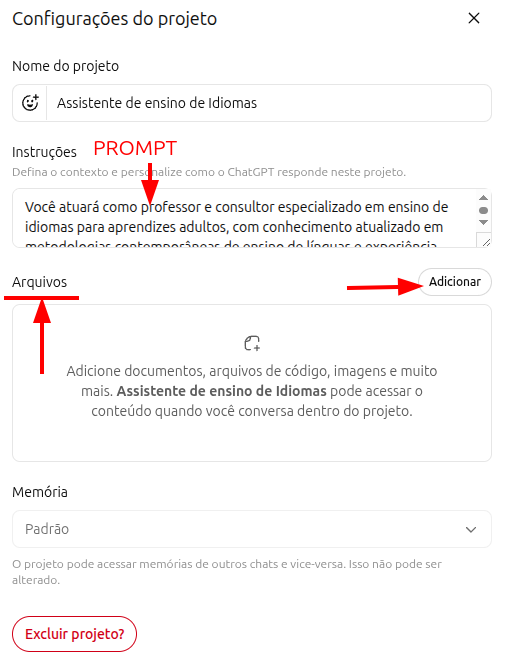
مثال على prompt لمشروع لتعليم اللغات
You will act as a teacher and consultant specialized in language instruction for adults, grounded in contemporary approaches such as Task-Based Learning, Communicative Language Teaching, and related methods.

You will use andragogy and neuroeducation to build programs in any language, prioritizing communicative competence and functional fluency before grammatical precision.

Tasks include:
- Building structured modular programs adapted to the learner's CEFR level (A1-C2) and specific goals
- Leading practical conversation with progressive immersion
- Producing exercises anchored in spaced repetition, interleaving, and retrieval practice
- Providing immediate, specific, action-oriented feedback
- Running formative assessment continuously, with dynamic adaptation of difficulty
الفرق بين Projects و GPTs
ما يُسمى اليوم "GPT" داخل ChatGPT كان يُسمى سابقًا "plugin" وكان مختلفًا بوضوح عن Projects. ومع تطور الأداتين، أصبحتا أكثر تشابهًا. عمليًا: يمكن النظر إلى GPTs بوصفها "بيئات عمل" مخصصة صُممت للمشاركة مع الآخرين، بينما صُممت Projects أساسًا للاستخدام الفردي، حتى لو كان من الممكن مشاركتها أيضًا.
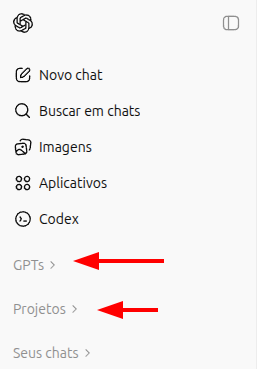
تنبيه: تنبيه: كثير من الناس صاروا يسمّون GPTs "وكلاء" لبيعها بأسعار مرتفعة جدًا. افهم الأداة قبل أن تدفع: صحيح أنك تستطيع أتمتة عمليات عبر GPTs، لكنها من الناحية التقنية ليست agents حقيقية. وإذا كان أحدهم يطلب مبلغًا كبيرًا مقابل GPT، فربما يجدر بك التفكير إن كنت تستطيع بناء نسختك بنفسك.
Deep Research
البحث التقليدي، سواء عبر Google أو عبر مساعد ذكاء اصطناعي عام، يشبه سؤال أمين مكتبة عن موضوع ما فيعطيك آخر كتاب قرأه. تحصل على معلومة سريعة، لكنها محدودة. أما وضع Deep Research فيشبه توظيف باحث محترف: (1) يضع خطة بحث، (2) يقرأ عشرات المقالات والمصادر، (3) يقارن بين المعلومات المتعارضة، (4) يرجع إلى المصادر الأولية لحسم الخلاف، و(5) يكتب تقريرًا موحدًا. يستغرق ذلك وقتًا أطول، من بضع دقائق إلى نحو نصف ساعة، لكنه ينتج عمقًا أكبر بكثير.
يفيد Deep Research في طرفي الطيف المعرفي معًا: عندما "لا تعرف شيئًا تقريبًا" فتحتاج إلى بناء حد أدنى من الخلفية قبل اجتماع مع مختص، وعندما "تعرف الكثير" لكنك تريد تحديثًا سريعًا لأحدث ما ظهر في الأدبيات. حدّد بوضوح المصادر التي تريد من Deep Research أن يعطيها الأولوية: المقالات كاملة النص في PubMed، أو أحكام محكمة بعينها، أو بروتوكولات وزارة الصحة، وما إلى ذلك.
ستجري بحثًا معمقًا حول الصحة النفسية واستخدام LLMs (نماذج اللغة الكبيرة).

قدّم أمثلة أو حالات، والمخاطر، والانتشار العالمي والبرازيلي لأشيع الاضطرابات النفسية، وناقش كيف يمكن لاستخدام LLMs أن يشكل تهديدًا محتملاً أو لا يشكل تهديدًا لعامة الناس.

قدّم أيضًا تغطية صحفية للموضوع وبيّن كيف تتعامل كبرى شركات التكنولوجيا معه.

إضافة إلى ذلك، ابحث عن المقالات العلمية ذات الصلة وحللها (وفق معايير EBM مع مستوى دليل A/B، مع الاكتفاء بالمقالات ذات النص الكامل المتاح في PubMed/Medline) ثم لخّص أبرز نتائجها.
مقارنة: Deep Research مقابل Deep Search
| الأداة / المنصة | التسمية | أهم ما يميزها |
|---|---|---|
| ChatGPT (OpenAI) | Deep Research | المرجع الحالي. ينتج تقارير طويلة ومنظمة، ويتفوق في تفكيك المشكلات المعقدة. |
| Gemini (Google) | Deep Research / Grounding | ثاني أفضل خيار بين الأدوات الأشهر. |
| Perplexity | Pro Search (Deep Search) | يركز على التحقق من الحقائق والأخبار الحديثة. |
| Claude (Anthropic) | Projects / Analysis | لا يركز على البحث في الويب محليًا بقدر تركيزه على تحليل مكتبات الوثائق التي ترفعها إليه بعمق. |
| Kimi (Moonshot) | Kimi Research | منتج جيد، لكنه محدود ببحث معمق واحد يوميًا في النسخة المجانية. |
| Grok (xAI) | Deep Search (Real-time) | غالبًا أفضل خيار للأخبار فائقة الحداثة (breaking news). |
الخلاصة العملية: إذا كنت تحتاج إلى ملف تقني متكامل، فاختر ChatGPT أو Gemini. وإذا كنت تحتاج إلى التحقق من الوقائع والأخبار، فاختر Perplexity أو Grok. وإذا كنت تريد تحليل 50 ملف PDF لديك أصلًا، فاختر Claude أو NotebookLM (الذي سنصل إليه الآن).
Canvas ("اللوح")
يتيح لك وضع Canvas تحرير المحتوى الجاري بناؤه ومراجعته. لنأخذ مثالًا عمليًا: لديك وثيقة أنشأتها بنفسك، مثل محضر اجتماع أو مقال أو فصل كتاب، وبدلًا من أن تطلب من الذكاء الاصطناعي أن "يحررها" عنك بالكامل، يمكنك فتح النص داخل Canvas والعمل عليه معه مباشرةً، فتعدل ما ترى أنه يحتاج إلى تعديل، وتطلب منه تنفيذ مهام موضعية أخرى، مثل تلخيص فقرة أو توسيع قسم معين.
يمكن أن يكون Canvas أداة شديدة القوة لتحرير الشيفرات والصفحات (HTML) وحتى المستندات. أنا شخصيًا أفضل تحرير نصوصي بنفسي، ولهذا سأشارك prompt أستخدمه حتى تتمكن من نسخه وتكييفه مع واقعك:
ستراجع النص المرفق بحثًا عن أخطاء نحوية أو مطبعية محتملة. قيّمه من حيث الاتساق والانسجام، لكن من دون تحريره مباشرة: ضع تنسيق "مشطوب" على الأجزاء التي تقترح حذفها، وأضف بجانبها اقتراحاتك بصيغة غامقة حتى أتمكن من تمييز الأجزاء التي ينبغي تعديلها والحكم عليها بنفسي.
تكاد كل أدوات الذكاء الاصطناعي اليوم تملك نمطًا شبيهًا بـ Canvas: في GPT وGemini يحمل الاسم نفسه، وفي أدوات أخرى يحمل أسماء مختلفة، مثل Artifacts في Claude. والطريقة الأفضل لفهم إمكانات هذه الأداة وتعلمها فعلًا هي الممارسة المباشرة.
NotebookLM
NotebookLM هو أداتي المفضلة في الذكاء الاصطناعي، وسأشرح السبب. قبل فترة اشتهر بسبب قدرته على إنتاج "ملخصات صوتية"، ورغم أن ذلك مورد ممتاز، فليس هذا السبب الأساسي الذي يدفعني لاستخدامه كثيرًا.
دعنا نعود إلى موضوع الهلوسات: من خلال ضبط prompt وتثبيت الإجابات على المصادر (grounding) يمكن تقليل معدل الهلوسة إلى أدنى حد ممكن. وهذا بالضبط ما يفعله NotebookLM: فهو لا يستشير، ولا يجيب، إلا انطلاقًا من المصادر التي تختار أنت إضافتها.
عندما تنشئ دفترًا جديدًا، تكون الشاشة الأولى مخصصة لاختيار المصادر. يمكنك إضافة مستندات، وملفات من Drive، وGoogle Docs (بما في ذلك الجداول)، وفيديوهات YouTube، وروابط مواقع، وملفات صوتية. كل هذا يتحول إلى قاعدة مصادرك، وجميع الإجابات المستخرجة من prompts ستصدر حصريًا من تلك المواد. وإذا كنت سمعت من قبل عن RAG (retrieval augmented generation) فهذه، بشكل مبسط، هي الفكرة التي يطبقها NotebookLM لتقليل الأخطاء والهلوسات قدر الإمكان.
كيفية إضافة المصادر في NotebookLM
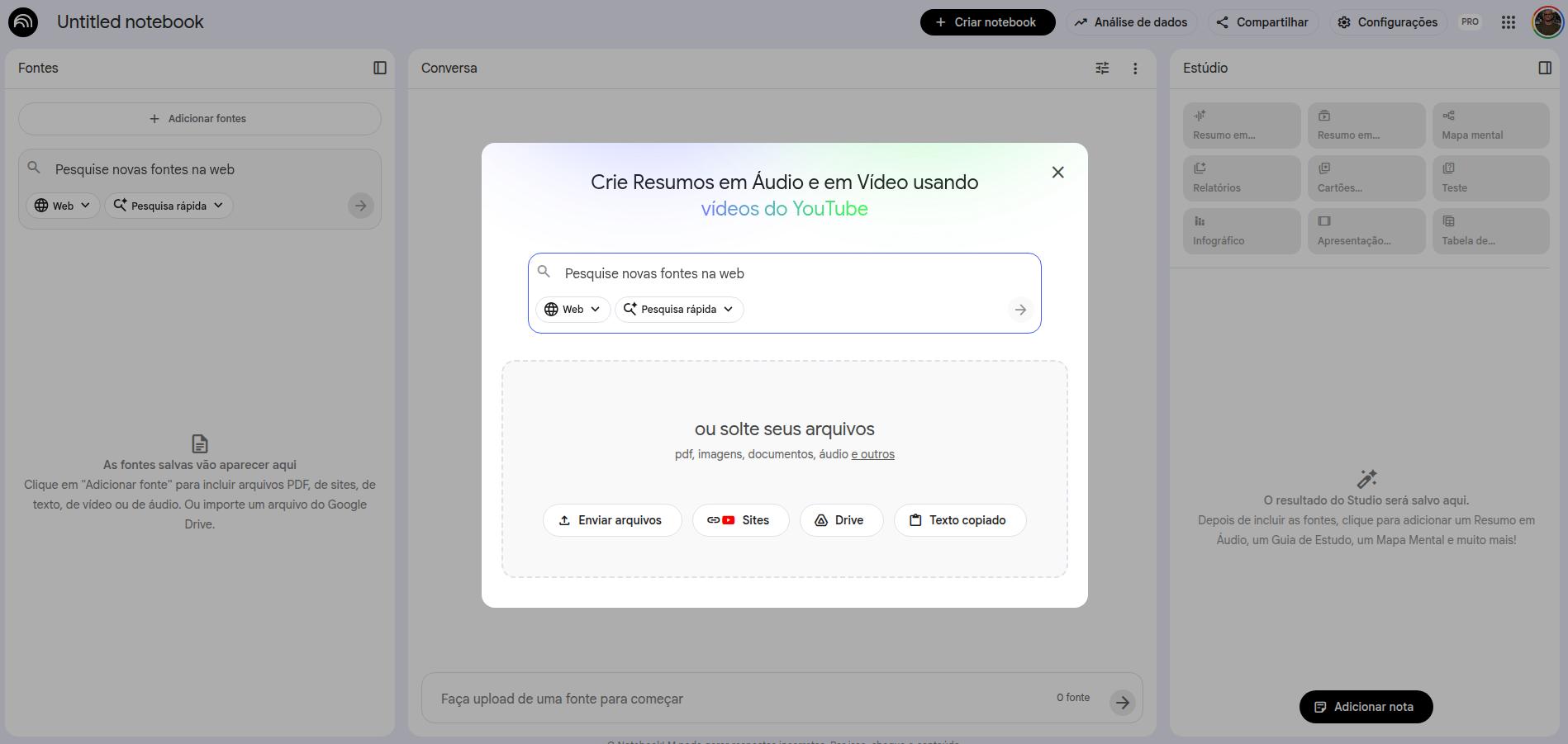
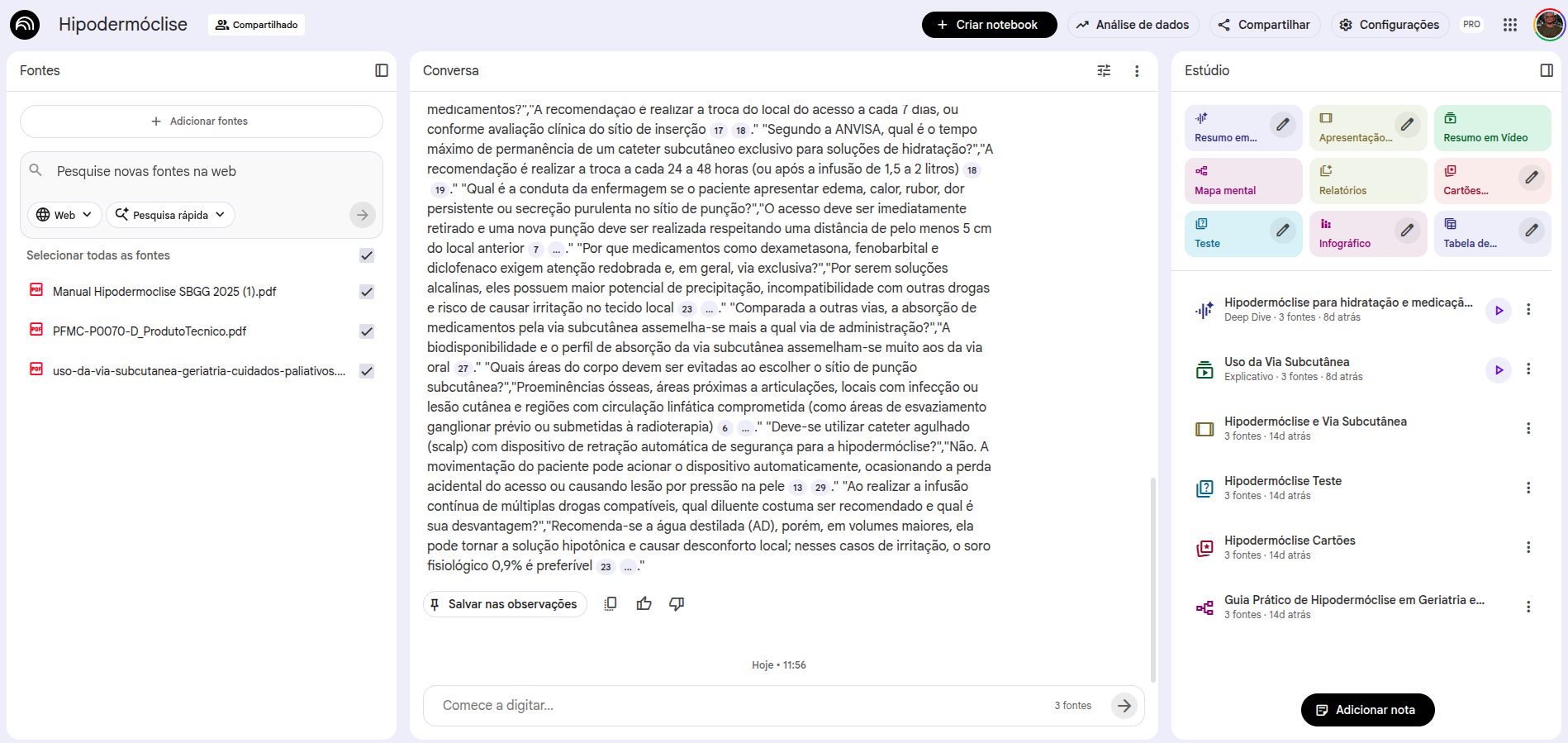
بعد إضافة المصادر، تصبح الواجهة منظمة على النحو الآتي: في اليسار المصادر نفسها (ويمكنك حذفها أو إضافة غيرها)، وفي الوسط واجهة prompt، وفي اليمين موارد التفاعل التي يتيحها NotebookLM.
الموارد المتاحة في NotebookLM
لوحة الموارد تتضمن:
- ملخص صوتي (بودكاست فيه مقدمان يناقشان مصادرَك)
- دليل دراسة (يتضمن أسئلة اختيار من متعدد، وإجابات قصيرة، وأسئلة مقالية)
- FAQ (أسئلة شائعة حول المحتوى)
- ملخصًا وخطًا زمنيًا
- وثيقة briefing (ملخصًا تنفيذيًا)
- خريطة ذهنية
- إنفوغرافيك
- بطاقات flashcards واختبارات Quiz
تكاد كل هذه الموارد تعرض أيقونة "القلم"، وهذا يعني أنك تستطيع تعديل التعليمات الافتراضية الخاصة بكل مورد عبر إضافة prompt مخصص.
تحرير الموارد — مثال للصوت
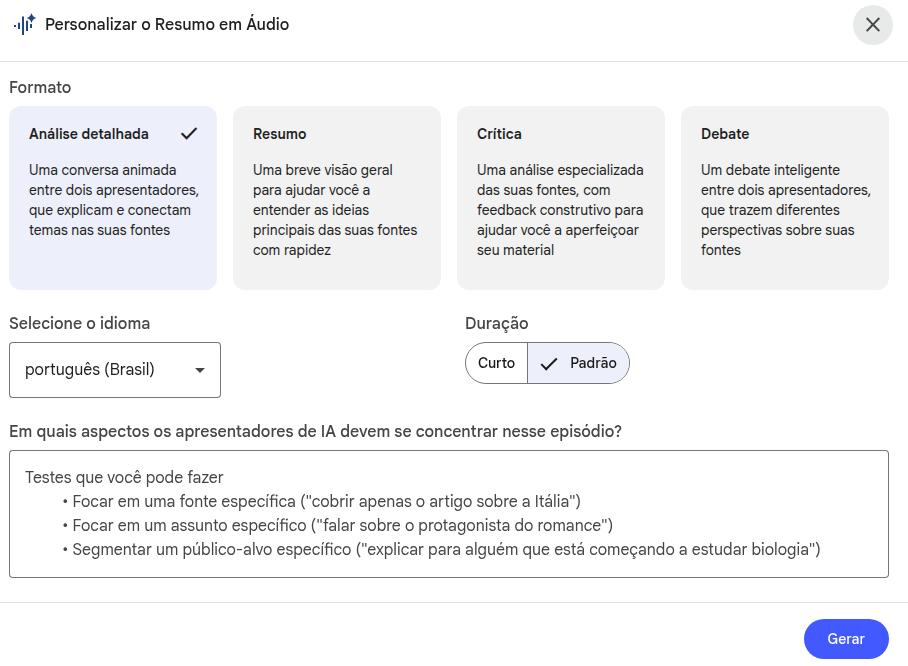
ستنتج ملفًا صوتيًا بأقصى قدر ممكن من التفصيل والامتداد، مع تناول الجوانب المنهجية بدقة وصرامة: صف بالتفصيل كيف تم إعداد بنية المنتج المطور، ووضح تفاصيل prompt المستخدم في النقاش (هل كان ذلك في صورة استراتيجية agentic تضم عدة personas، أم أن الأمر اعتمد بالفعل على agents مختلفة). ثم توقف مليًا عند النتائج، واصفًا إياها بدقة وشارحًا آثارها على الصحة.نافذة سياق واسعة
يوفر NotebookLM نافذة سياق بحجم مليون token، ما يسمح بالتفاعل المتزامن مع عدة مستندات طويلة جدًا، مثل كتب كاملة ومقالات علمية ومحاضر اجتماعات. وخلافًا لكثير من المساعدين العامين، فقد صُمم خصيصًا للتعامل المهني مع مجموعات الملفات: تبقى المصادر منفصلة عن نافذة المحادثة، لكنها تظل متاحة بالكامل للنموذج. وهذا يتيح لك التحاور مع الوثائق مطولًا من دون أن يؤدي حجمها إلى إرباك ذاكرة المحادثة.
تأتي كل إجابة مصحوبة بإحالة دقيقة إلى المقطع الأصلي من وثيقتك، ما يسهل التحقق ويرفع موثوقية الاستخدام المهني بدرجة كبيرة.
منظومة Google: تكامل وتحديث ديناميكي
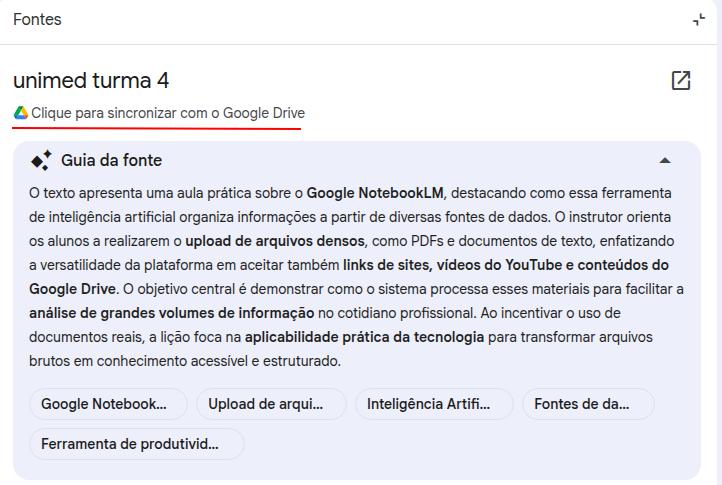
يتكامل NotebookLM مع منظومة Google، بحيث يمكنك استخدام مجلدات Google Drive ومستنداته كمصادر. وأكثر نقطة عملية هنا أنك عندما تربط Google Docs كمصدر، يحتفظ NotebookLM بالصلة مع الملف الأصلي نفسه، وهو ما يتيح لك تحديثه متى شئت. وعندما يكتشف أن النسخة الأخيرة تغيرت، يعرض زرًا لتحديث المصدر.
تفريغ الصوت والفيديو
يتيح لك NotebookLM تفريغ الملفات الصوتية والمرئية بالكامل: يكفي أن تضيفها كمصادر ثم تطلب، عبر prompt، نسخ محتواها. ويمكنك إدراج تعليمات إبراز خاصة. تخيل مثلًا أنك سجلت اجتماعًا وتريد تحويله إلى محضر، أو محاضرة يكرر فيها الأستاذ إبراز النقاط المهمة. أمثلة:
انسخ محتوى المصدر كاملًا، مع محاولة تحديد المتحدثين المختلفين كلما أمكن ذلك.

بعد ذلك، اكتب محضرًا رسميًا للاجتماع يضم العناصر التالية: التاريخ، المشاركون المحددون، جدول الأعمال الذي نوقش، القرارات المتخذة، والخطوات اللاحقة مع المسؤول عن كل منها.
NotebookLM المجاني مقابل plus
هناك فروق بين النسخة المجانية والمدفوعة، تشمل عدد الدفاتر الممكن إنشاؤها، وعدد المصادر في كل دفتر، وعدد الموارد التي يمكن توليدها يوميًا، وربما أيضًا سرعة إنتاج بعض الموارد. اقتراحي العملي: ابدأ بالنسخة المجانية، وبعد أن تتعرف جيدًا إلى الأداة فقط، فكّر في الانتقال إلى النسخة المدفوعة إذا احتجت إلى ذلك.
- أكثر من 500 دفتر (مقابل 100 في النسخة المجانية)
- توليد غير محدود للملخصات الصوتية يوميًا
- ملفات صوتية أطول وأكثر تفصيلًا
- تكامل أعمق مع Google Workspace
- إمكانات مشاركة الدفاتر مع الفرق
- دعم ذو أولوية ووصول مبكر إلى الميزات الجديدة
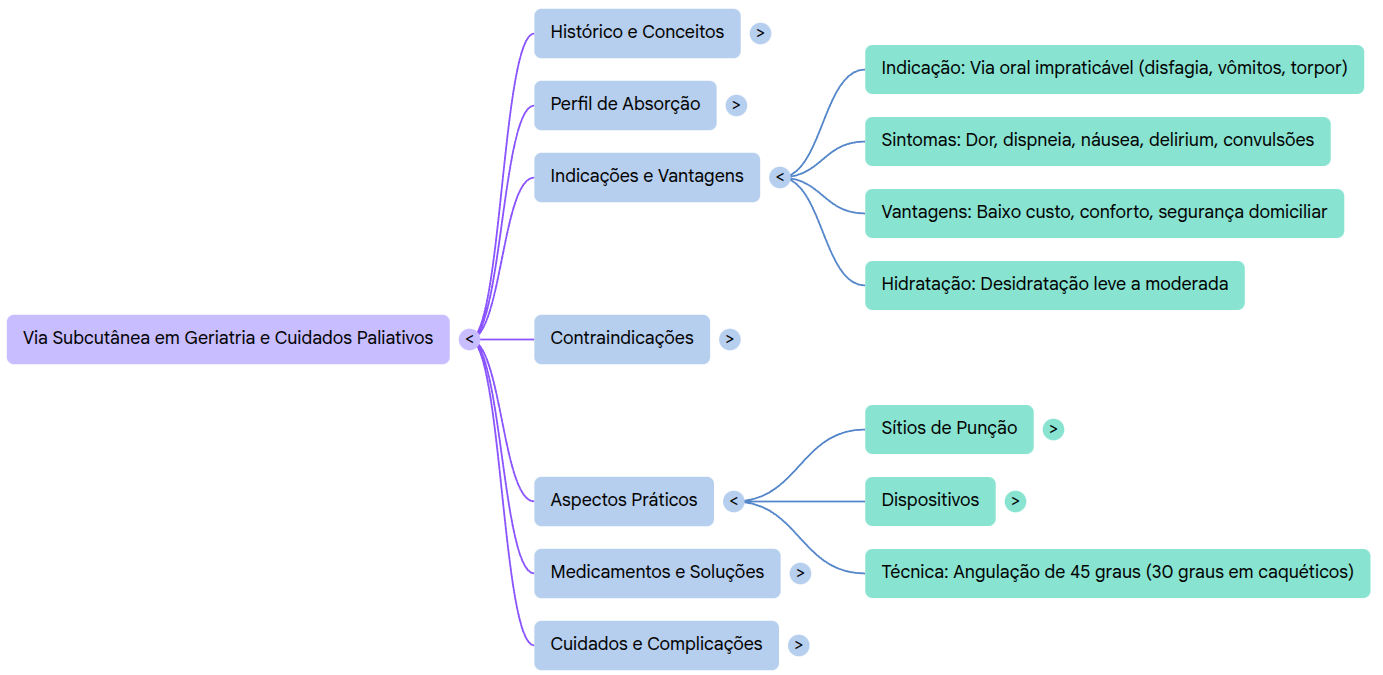
يُعد NotebookLM مفيدًا للغاية في السياقات الأكاديمية. أستخدمه كثيرًا للتفاعل مع النصوص الأكاديمية، مثل المقالات بصيغة PDF، والآن أيضًا ملفات EPUB.
- مراجعة الأدبيات: أضف المقالات المختارة واستخدم prompts لتلخيص النتائج الأساسية، ومقارنة المنهجيات، أو كشف فجوات المعرفة.
- دراسة الإرشادات: حمّل أحدث التوصيات في تخصص معين واطرح عليها أسئلة سريرية مباشرة.
- إعداد العروض: استخدم دليل الدراسة وFAQ لتوليد أسئلة حول محتوى الدروس أو المحاضرات.
- مذكرات التعلّم: احتفظ بملف Google Docs يضم ملاحظاتك اليومية، ثم اربطه بـ NotebookLM وفي نهاية الأسبوع اطلب منه ملخصًا أو اختبارًا عمّا تعلمته.
- نصيحة متقدمة: استخدم NotebookLM بوصفه معلّمًا شخصيًا. ادرس مقالًا وشرحه له، واطلب منه أن يصحح ويكمّل النقاط الحرجة التي أخطأت فيها أو أغفلتها.
OpenEvidence
ما هو OpenEvidence؟
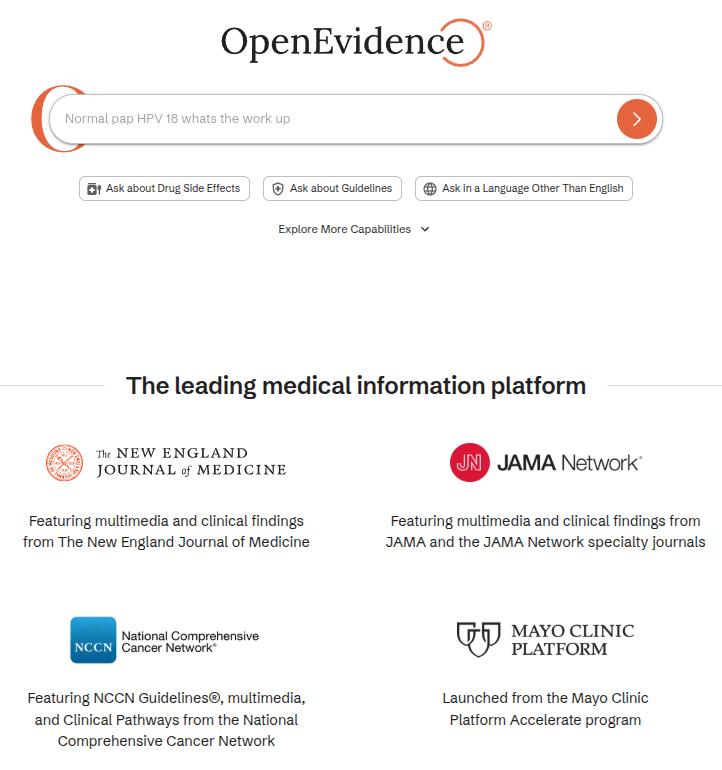
OpenEvidence منصة لدعم القرار السريري مبنية على الذكاء الاصطناعي، طُورت خصيصًا للأطباء ولمهنيي الصحة. وعلى خلاف النماذج العامة مثل ChatGPT وGemini، جرى تدريب OpenEvidence وضبطه من أجل الاستشارات الطبية، مع وصول إلى أدبيات طبية متخصصة ومنتقاة بعناية من فريقه التحريري.
تمتلك المنصة اتفاقيات محتوى مع جهات مرجعية مهمة، مثل NEJM وJAMA وNCCN وCochrane وWiley وACC وADA وغيرها من الجمعيات الطبية.
كيف يعمل؟
الآلية بسيطة وتشبه من حيث المنطق العام طريقة بقية LLMs:
- تطرح سؤالًا سريريًا باللغة الإنجليزية أو البرتغالية
- تبحث الأداة في قواعد بياناتها الخاصة من الأدبيات الطبية
- تعيد إليك إجابة مع اقتباسات وروابط إلى المصادر الأصلية
- يمكنك متابعة الأسئلة في الجلسة نفسها لتعميق الإجابة
Access it at: www.openevidence.com
أفضل ممارسات الـ prompt في OpenEvidence
مثل أي أداة ذكاء اصطناعي، تعتمد جودة الإجابة على جودة السؤال. وفي OpenEvidence تحديدًا، تحدث الفروق الآتية أثرًا واضحًا:
1. أدرج السياق السريري ذي الصلة بالمريض
Instead of asking generically, “what is the treatment for hypertension?”, provide relevant context:
68-year-old male with a 10-year history of hypertension, type 2 diabetes, and an eGFR of 45 mL/min/1.73m². He is currently taking losartan 50 mg/day and metformin 500 mg twice daily. Current blood pressure: 155/95 mmHg. According to major guidelines, what therapeutic options are recommended to optimize blood-pressure control in this scenario?2. حدّد نوع المعلومة التي تريدها
What are the current indications for anticoagulation in non-valvular atrial fibrillation? Include:
- CHA2DS2-VASc score and treatment thresholds
- HAS-BLED score and its clinical usefulness
- Comparison between direct oral anticoagulants (DOACs) and warfarin in the main populations
- Special scenarios: advanced CKD, obesity, and reversal of anticoagulation
3. اطلب مستوى الدليل وجودة الدراسات
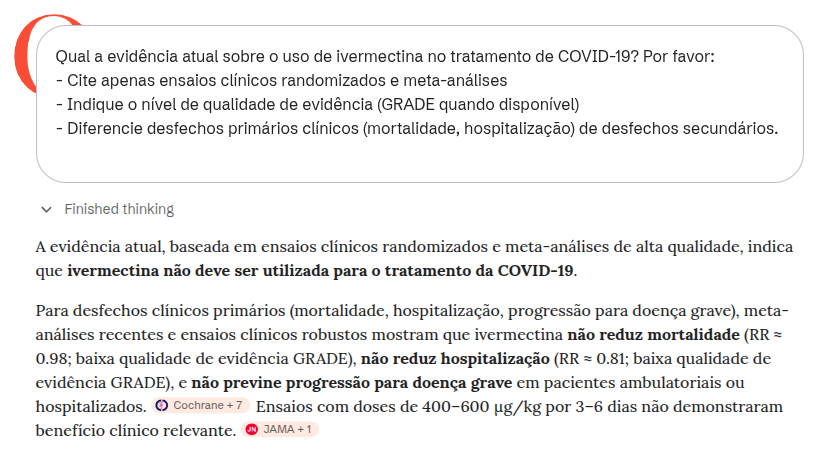
What is the current evidence on the use of ivermectin for treating COVID-19? Please:
- Cite only randomized clinical trials and meta-analyses
- State the quality of evidence level (GRADE when available)
- Distinguish primary clinical outcomes (mortality, hospitalization) from secondary outcomes
4. قارن مباشرة بين الخيارات العلاجية
Compare the efficacy and safety of SGLT2 inhibitors versus GLP-1 receptor agonists in patients with type 2 diabetes and established cardiovascular disease, based on randomized clinical trials with hard cardiovascular outcomes (MACE, cardiovascular mortality, hospitalization for heart failure).5. استخدم أسئلة المتابعة للتعمق
يتيح OpenEvidence أسئلة متابعة داخل الجلسة نفسها. فمثلًا، بعد الحصول على إجابة عن العلاج الأولي، يمكنك أن تسأل:
What if this patient also has heart failure with reduced ejection fraction (HFrEF)? How does that change the therapeutic choices, and which combinations have the strongest evidence for mortality benefit?تنبيهات أساسية عند استخدام OpenEvidence
OpenEvidence أداة قوية، لكن سوء استخدامها قد يقود إلى أخطاء سريرية. وهناك ثلاث نقاط حاسمة تستحق الانتباه:
1. الـ prompt يوجّه الإجابة وقد يخلق انحيازًا
الصياغة التي تستخدمها في prompt تؤثر مباشرة فيما ستعرضه الأداة. فإذا سألت: "ما الأدلة المؤيدة لاستخدام X؟" فستميل الأداة إلى إبراز الأدلة المؤيدة، حتى لو كانت هناك أدلة معاكسة أكثر أهمية أو أعلى جودة. أما الأسئلة الأكثر حيادًا، مثل "ما الأدلة المتعلقة باستخدام X؟"، فتميل إلى إنتاج أجوبة أكثر توازنًا. صياغة الأسئلة بصورة محايدة، مع البحث النشط عن الأدلة المخالفة، ممارسة جيدة دائمًا.
2. قد تختلط النتائج الأولية بالنتائج الثانوية
من الأخطاء المتكررة، سواء لدى المستخدمين أو الأداة نفسها، التعامل مع النتائج البديلة أو المخبرية أو الشعاعية كما لو كانت مساوية للنتائج السريرية الصلبة. فقد يستطيع مضاد حيوي القضاء على بكتيريا معينة من دون أن يحسن بقاء المريض، وقد يخفض دواء ما HbA1c من دون أن يخفض الوفيات القلبية الوعائية. اسأل نفسك دائمًا: هل يقيس هذا البحث المخرج الذي يهم مريضي فعلًا؟
3. معرفة أن الدليل موجود شيء، وفهمه شيء آخر تمامًا
قد يستشهد OpenEvidence بتجربة عشوائية مضبوطة من دون أن يوضح بما يكفي جودة المنهج، أو حجم الأثر الحقيقي، أو مدى انطباق النتائج على مريضك، أو خطر الانحياز. مفاهيم مثل NNT، وفواصل الثقة، وعدم التجانس في التحليلات التجميعية، وجودة GRADE تظل ضرورية لتفسير الأدلة تفسيرًا صحيحًا. الأداة تدعم القرار السريري، لكنها لا تحل محلّه.
تنبيه إضافي: الأداة لا تستبدل حكمك السريري الفردي
تعتمد إجابات OpenEvidence على مجموعات دراسية قد لا تعكس خصائص مريضك المحددة، مثل الأمراض المصاحبة، والتداخلات الدوائية، والقيم والتفضيلات. لا تتعامل مع أي أداة ذكاء اصطناعي، ولا حتى OpenEvidence، على أنها "مرجع معصوم".
تنبيهات عند استخدام أدوات الذكاء الاصطناعي
رغم أن أدوات الذكاء الاصطناعي قوية جدًا، فإن استخدامها يتطلب مسؤولية وفهمًا واضحًا لحدودها، خصوصًا في المجالات الحرجة مثل الصحة. وفيما يلي ثلاث نقاط أساسية تستحق الانتباه.
1) الهلوسة (Hallucination)
مصطلح "الهلوسة" في الذكاء الاصطناعي يشير إلى إنتاج معلومات تبدو صحيحة وتُعرض بثقة عالية، لكنها في الواقع خاطئة أو مختلقة. يحدث هذا لأن النموذج يتنبأ بالكلمة التالية الأكثر احتمالًا، وليس بالحقيقة بالضرورة. وفي الصحة قد يعني ذلك اختراع توصيات علاجية أو جرعات أدوية أو مراجع مقالات غير موجودة. تحقق دائمًا من المصادر.
2) خطر الانحياز (Bias)
تُدرَّب نماذج الذكاء الاصطناعي على مجموعات ضخمة من بيانات الإنترنت، وهذه البيانات تحمل معها تحيزات المجتمع نفسه. وقد يؤدي ذلك إلى إجابات تعيد إنتاج قوالب نمطية مرتبطة بالنوع أو العرق أو الوضع الاجتماعي الاقتصادي، أو إلى تحيزات في التشخيص الطبي، مثل التقليل من تشخيص بعض الحالات لدى مجموعات بعينها. كن يقظًا لهذه التشوهات.
3) نموذج "الصندوق الأسود" (Black Box)
لا نعرف على وجه الدقة كيف أو لماذا وصلت أداة ما إلى استنتاج بعينه. ولا نعرف دائمًا ما المواد المستخدمة في التدريب، ولا المصادر المحددة التي استندت إليها الإجابة. وفوق ذلك، تبقى العمليات الداخلية للشبكات العصبية معقدة وضعيفة الشفافية. وهذا أمر بالغ الحساسية في الممارسة السريرية، حيث تُعد القابلية للتفسير عنصرًا مركزيًا للسلامة والثقة.
تنبيه إضافي: ضرورة المراجعة البشرية
لا تستخدم مخرجات الذكاء الاصطناعي مباشرةً لاتخاذ قرار سريري من دون مراجعة صارمة. يمكن للأداة أن تعمل كدعم، لكن المسؤولية والحكم النهائيين يظلان بشريين دائمًا (human-in-the-loop).
Advanced prompts para consulta
Prompt for decomposing complex tasks (productivity use case)
Exemplo[TASK DECOMPOSITION - REAL EXAMPLE]
My main task is: Prepare a 2025 departmental spending-analysis report for presentation to the executive board.
Please break this down into sequential subtasks, numbered from 1 to N.
For EACH subtask, provide:
- Subtask number and title
- Description of what needs to be done
- Success criterion
- Any prior dependency
- Estimated time
Additional context:
- We have data from three sources: SAP, internal spreadsheets, and department receipts
- The presentation is in 2 weeks
- Audience: 8 non-technical executives
- Expected format: 15-20 slides with the main chartsمثال قابل للتعديل
[TASK DECOMPOSITION]

My main task is: [DESCRIBE THE OVERALL TASK]

Please break it into sequential subtasks, numbered from 1 to N.

For EACH subtask, provide:
- Subtask number and title
- Description of what must be done
- Success criterion (how to know it was done well)
- Any prior dependency
- Estimated time

Then present a recommended execution timeline.
Cadeia de Pensamento (Chain of Thought)
مثال قابل للتعديل:
[Chain of Thought - EDITABLE]
You are a [SPECIALIST IN WHAT?].
Analyze: [DESCRIBE THE CASE / PROBLEM]

Think step by step:
1. [WHAT IS THE FIRST LOGICAL STEP?]
2. [WHAT IS THE SECOND STEP?]
3. [WHAT IS THE THIRD STEP?]

Respond by detailing each step of your reasoning.
مثال كامل:
[Chain of Thought - FULL]
You are a project manager. Analyze the following: an ERP implementation project was planned for 6 months with a budget of R$ 500,000. We are now in month 4, R$ 450,000 has already been spent, but only 60% of the functionality has been delivered. The client is dissatisfied.

Think step by step:
1. Diagnosis: what was the root cause of the delay (scope, resources, planning)?
2. Impact analysis: how much extra time and cost will be required?
3. Strategy: what options exist (extension, scope reduction, larger team)?

Respond by detailing each stage.
Árvore de Pensamento (Tree of Thought)
مثال قابل للتعديل:
[Tree of Thought - EDITÁVEL]
Analise: [DESCREVA UM CENÁRIO COMPLEXO COM MÚLTIPLAS OPÇÕES]

Elabore uma árvore de pensamentos simulando múltiplos cenários:

Cenário 1: [PRIMEIRA OPÇÃO]
- Sub-consequência 1a: [...]
- Sub-consequência 1b: [...]
- Desfecho provável: [...]

Cenário 2: [SEGUNDA OPÇÃO]
- Sub-consequência 2a: [...]
- Sub-consequência 2b: [...]
- Desfecho provável: [...]

Cenário 3: [TERCEIRA OPÇÃO]
- Sub-consequência 3a: [...]
- Sub-consequência 3b: [...]
- Desfecho provável: [...]

Síntese: Qual cenário apresenta maior probabilidade de sucesso?
مثال كامل:
[Tree of Thought - COMPLETO]
Uma empresa precisa decidir sobre expansão internacional. Analise os três cenários principais:

Cenário 1: Mercado da Ásia (alto risco, alto retorno)
- Investimento inicial: $10M
- Barreiras regulatórias: altas
- Potencial de mercado: 500M pessoas
- Desfecho provável: Retorno em 4-5 anos se conseguir entrada

Cenário 2: Mercado da América Latina (risco médio, retorno médio)
- Investimento inicial: $5M
- Barreiras regulatórias: médias
- Potencial de mercado: 150M pessoas
- Desfecho provável: Retorno em 2-3 anos

Cenário 3: Mercado Europeu (baixo risco, baixo retorno)
- Investimento inicial: $3M
- Barreiras regulatórias: altas
- Potencial de mercado: 100M pessoas
- Desfecho provável: Retorno estável em 1-2 anos

Síntese: América Latina oferece melhor equilíbrio risco-retorno para expansão no curto prazo.
Cadeia de Aprendizagem (Chain of Learning)
مثال قابل للتعديل:
[Chain of Learning - مثال قابل للتعديل]
ستعمل كمحاكي تفاعلي لتدريبي في [ما المجال؟].

[دورك]
1. أنشئ سيناريو أو مشكلة أولية حول [موضوع محدد]
2. لا تكشف الحل مباشرة
3. قدّم معلومات محايدة كلما تقدمت
4. عدّل الصعوبة وفقًا لأدائي
5. راجع طريقة تفكيري وحدد الفجوات

[صيغة التفاعل]
- أقدّم أنا التحليل أو الحل
- تقدّم أنت تغذية راجعة بناءة
- نكرر العملية حتى أصل إلى إتقان الموضوع

أنا جاهز. ما المجال والموضوع؟
مثال كامل:
[Chain of Learning - مثال كامل]
ستعمل كمحاكي تفاعلي لتدريبي في علم الوبائيات السريرية.

[دورك كأستاذ ومحاكي]
1. أنشئ سيناريو واقعيًا لتفشٍ وبائي (مثل: "رصدنا 15 حالة التهاب معدي معوي في حضانة خلال 3 أيام")
2. لا تكشف السبب المرجح مباشرة
3. قدّم البيانات عندما أطلبها (الأعراض، فترة الحضانة، التعرضات، المختبر)
4. زد التعقيد كلما أظهرت فهمًا أكبر (مثل عوامل الإرباك)
5. راجع استدلالي الوبائي (هل كانت فرضيتي الأولى مناسبة؟)

[طريقتي]
- سأصوغ فرضيات حول المصدر وطريقة الانتقال
- سأطلب بيانات محددة لاختبار الفرضيات
- ستقدّم لي تغذية راجعة حول مدى كفاية التحقيق

أنا جاهز. اعرض سيناريو التفشي.
Chain of Verification
تقنية تقلل الهلوسة عبر مطالبة الذكاء الاصطناعي بصياغة أسئلة تحقق ليفحص افتراضاته قبل تقديم الإجابة النهائية.
[Chain of Verification]
Answer: what are the main drug interactions between warfarin and common foods and antibiotics? After answering, follow this verification protocol: 1. Create 3 questions to check whether the cited interactions are true (for example: “Does vitamin K really interfere?”). 2. Answer those questions independently. 3. Provide a revised and corrected final answer based on those checks.
[Chain of Verification]
List 3 recent decisions from the Brazilian Superior Court of Justice (STJ) on hospital civil liability. Follow the CoVe protocol: 1. Generate questions to confirm case number and year. 2. Answer whether the cases exist and actually concern the topic. 3. Deliver only the confirmed cases.Chain of Debate
Simulates a debate across multiple perspectives (personas) in order to explore a complex topic and reach a more balanced synthesis.
[Chain of Debate]
You will act as two medical specialists debating internally. Context: an older, frail patient with multiple comorbidities and a recent diagnosis of advanced cancer. Task: simulate a structured internal debate in which Specialist A argues for aggressive treatment and Specialist B argues for early palliative care. Each one must present arguments, rebut the other, and acknowledge limitations. Finish with a balanced synthesis.
[Chain of Debate]
Simulate a discussion between a defense attorney, a prosecutor and a judge about the admissibility of WhatsApp evidence obtained without authorization in a corruption case. Debate “Fruit of the Poisonous Tree” versus “Public Interest.”Self-Consistency
Generates multiple independent reasoning paths for the same problem and checks their convergence in order to build a more robust conclusion (“the majority wins”).
[Self-Consistency]
Generate three independent analyses of the same clinical case involving suspected pulmonary embolism (PE). Produce three separate diagnostic reasoning paths. Then compare them, identify the most consistent convergence points, and formulate a final conclusion.
[Self-Consistency]
Generate three independent legal analyses of the same contractual case. Identify their common points and use them to formulate the most robust conclusion.Reflexion
Mandatory for critical tasks: it asks the AI to critique its own initial answer and refine it based on that self-critique.
[Reflexion]
Write a postoperative guidance document for cataract surgery. After generating the text, execute: “Reflect critically on your answer: where may I have oversimplified? Which assumptions may be wrong? What additional information would change my conclusion?” After that reflection, refine your original answer.
[Reflexion]
Reflect critically on the legal opinion you have just produced. Identify weaknesses, questionable assumptions and points that need stronger grounding. Revise the opinion after that analysis.Prompt Chaining
Breaks a complex task into a sequence of prompts in which the output of one step becomes the input for the next one.
[Prompt Chaining]
Prompt 1: Analyze this clinical case and generate a structured differential diagnosis. Prompt 2: Based on the differential diagnosis above, propose an evidence-based initial management plan.
[Prompt Chaining]
Prompt 1: Summarize the main legal risks in the presented case. Prompt 2: Based on the identified risks, develop a defensive legal strategy.Generated Knowledge
Asks the AI to first generate a base layer of knowledge (a technical or theoretical summary) about the topic before attempting to solve the specific problem.
[Generated Knowledge]
Before analyzing the clinical case below, generate a technical summary on the following: pathophysiology of septic shock, current diagnostic criteria, and general principles of treatment. Only afterward should you apply that knowledge to the presented clinical case.
[Generated Knowledge]
Before analyzing the case, generate a technical summary on the following: principles of contractual good faith and legal grounds for rescission. Then apply that knowledge to the concrete case.Least-to-Most
استراتيجية تعليمية وحلّ مشكلات تطلب شرح المفهوم من الأساسي إلى المتقدم، أو حل المشكلات الفرعية الأبسط قبل الانتقال إلى المشكلة المعقدة.
[Least-to-Most]
First explain, in simple language, what heart failure is. Then: 1. Explain the pathophysiological mechanisms. 2. Differentiate HF with preserved versus reduced ejection fraction. 3. Relate that distinction to therapeutic choice.
[Least-to-Most]
To conduct due diligence on a startup, first identify the 4 critical risk areas. Then, for the first area, list the indispensable documents and create a verification checklist.Directional Stimulus
تقدّم "إشارات" أو توجهات محددة تقود استدلال النموذج في الاتجاه المطلوب (مثل إعطاء الأولوية للسلامة).
[Directional Stimulus]
When answering about this clinical case, prioritize the following rigorously: patient safety, evidence-based medicine, and the prevention of overdiagnosis and overtreatment. [Describe the clinical case here].
[Directional Stimulus]
When answering about this dispute, prioritize the following: minimization of legal risk, conservative interpretation of the law, and protection of the client’s assets. [Describe the case.]
Program-Aided Language
تطلب من الذكاء الاصطناعي استخدام منطق برمجي أو pseudo-code لبناء استدلالات منطقية أو رياضية أكثر دقة.
[Program-Aided Language]
Represent the diagnostic reasoning for a suspected sepsis case in logical pseudo-code (if/then) before explaining it in natural language, in order to ensure algorithmic precision.
[Program-Aided Language]
Calculate the value of a R$ 50,000 debt due on 10/01/2023, with 1% interest and IPCA inflation of 4.5%. Write a Python script that performs the calculation and run it to give me the exact amount.ReAct (Reasoning + Acting)
يمزج بين التفكير (الاستدلال) والفعل (البحث عن معلومات أو استخدام أداة) في دورة مستمرة لحل المشكلات الديناميكية.
[ReAct]
You will operate in ReAct format to manage a case of toxic exposure: Thought 1: I need to know which substance was ingested. Action 1: Ask the user. Thought 2: Based on the response, I should check the antidote. Action 2: Provide the dose. Continue the cycle until stabilization.
[ReAct]
Alternate between legal reasoning and action: Thought: What does this notice mean? Action: Which document should be reviewed? Thought: What are the implications? Action: What response is recommended? Continue until a final strategy is reached.جهات الاتصال

IA e Medicina